

AI Agent vs Workflow: 5 Simple Ways to Tell
Home › Blog › AI Agent vs Workflow: 5 Simple Ways to Tell
Last checked: 10 November 2026
People say “AI agent” for almost everything now: a chatbot, an automation, a scheduled report. Before you pay for one, or trust one with your work, it helps to know what the word means. This guide explains the AI agent vs workflow difference in plain words, shows you a quick way to tell them apart, and lists what to check before you give either one a real job.
The definitions come from one source: Anthropic’s engineering article Building effective agents, published on 19 December 2024. The article says some of its tooling has changed since then, so treat it as a guide to the ideas, not to today’s products. Everything else here, such as the worked example and the checklists, is our own general advice. We have not tested any agent product for this guide.
In short: five minutes version
- A workflow follows steps someone wrote down in advance.
- An agent chooses its own steps to reach a goal.
- Start with the simplest thing that works, often one good prompt.
- Give any agent as little access as the job needs.
- A person reads the result before it reaches a customer.
AI agent vs workflow: the two definitions
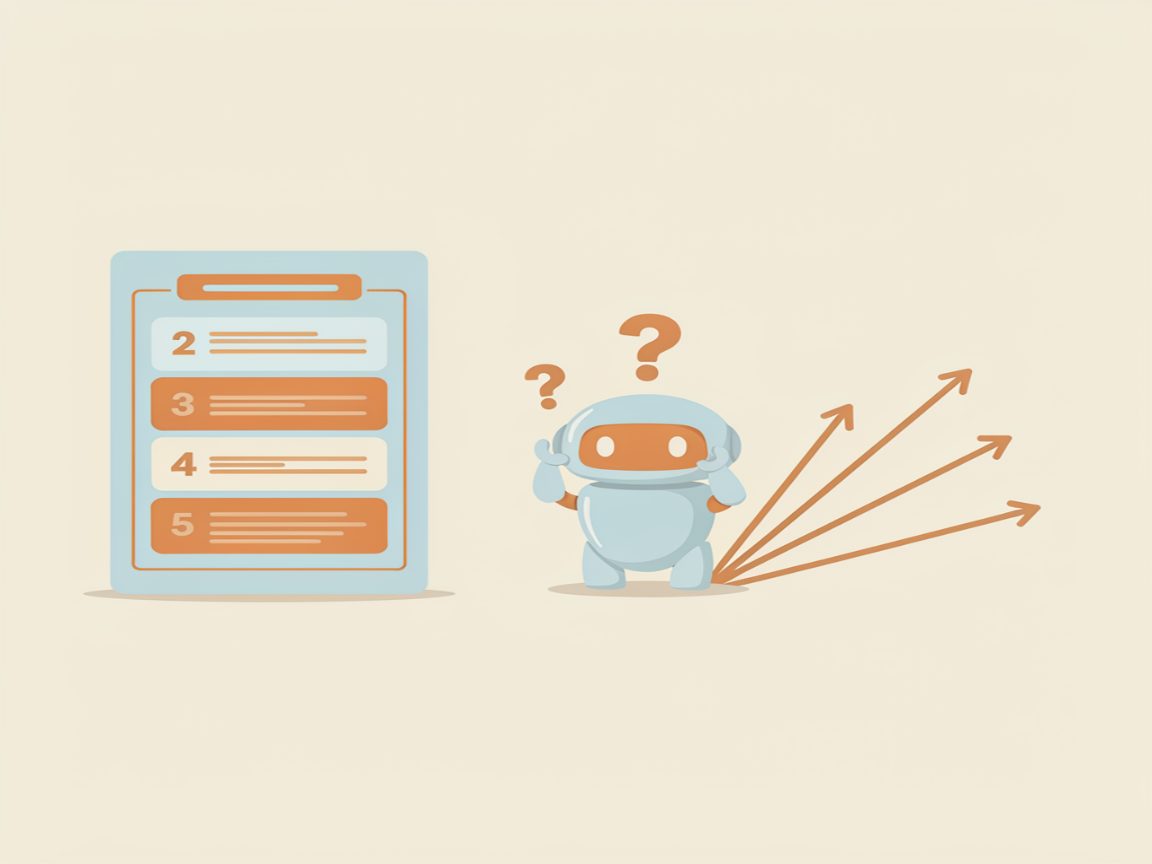
The article separates two kinds of system. In a workflow, the AI model and the tools it uses are run along paths that were set out in advance. In an agent, the model decides for itself how to go about the task and which tools to use, and it keeps control of how it reaches the goal. The article calls the whole family “agentic systems”.
A simple picture: a workflow is a recipe card. Step one, step two, step three, the same every time. An agent is a helper you give a goal to, who chooses the steps as they go.
| Workflow | Agent | |
|---|---|---|
| Who decides the steps? | A person, in advance | The AI, while it works |
| Best for | Well-defined tasks | Open-ended problems |
| Result | Predictable and consistent | Can differ from run to run |
| Checking needed | Spot checks of the result | Review of the steps and the result |
Five simple ways to tell which one you have
- Are the steps fixed? If someone wrote the order of steps ahead of time, it is a workflow.
- Does it choose its own next step? If the AI decides what to do next, it is closer to an agent.
- Is the task well defined? The article says workflows suit well-defined tasks because they are predictable and consistent.
- Is the task open-ended? The article says agents suit problems where you cannot know the steps in advance.
- Can you predict the result? A workflow gives similar results each time. An agent can go in a different direction on each run, so it needs more checking.
A worked example, in our own words
Imagine a freelancer who wants help chasing late invoices. This example is ours, not from the article.
- As a workflow: every Monday the system lists unpaid invoices, asks the AI to draft a polite reminder for each one using a fixed template, and puts the drafts in a folder. The steps never change. The freelancer reads each draft and sends it.
- As an agent: the freelancer says “get my unpaid invoices paid” and lets the AI decide what to do: look through email, choose who to contact, write messages and maybe send them. It might do a good job, but it might also email the wrong person or use a tone the freelancer would never choose.
The first version is easier to trust, because you know the steps. The second may suit a harder problem, but it needs far more care. That is the trade the article describes.
Why the simpler option is often the better choice
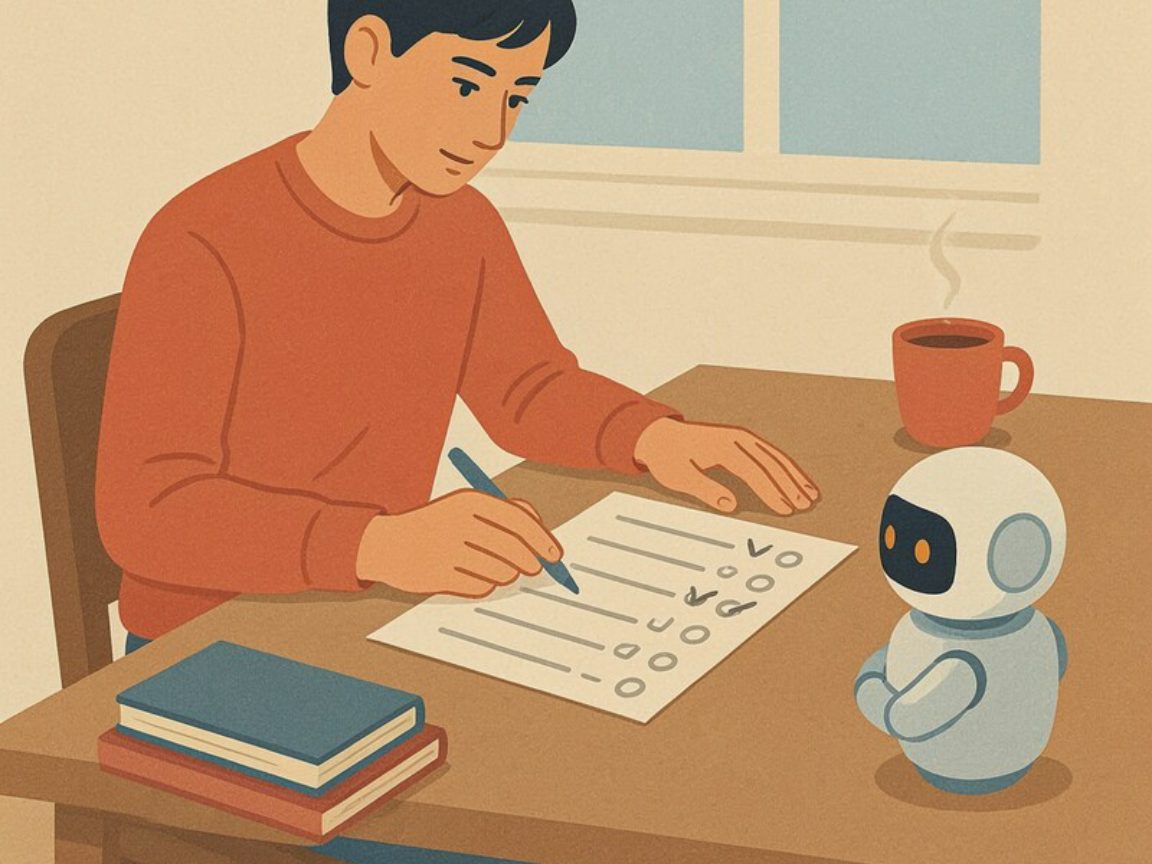
The article’s main advice is to find the simplest solution that works and add complexity only when it clearly helps. It says agentic systems trade speed and cost for better results on some tasks, and that for many uses a single well-written request to an AI model is enough. The article also says to start with simple prompts and move to multi-step systems only when simpler ones fall short.
For a small business, a freelancer or a student, that usually means starting with one good prompt before looking at anything that acts on its own. If prompts are new to you, read AI in Plain Words first. A fixed workflow comes next, and an agent only if the task really is open-ended.
What to check before you hand work to an agent
- What can it touch? Email, files, accounts and payments are different levels of risk. Give it as little access as the job needs.
- Can you see what it did? You should be able to review every step it took.
- Who checks the result? A person should read the output before it reaches a customer. The six checks for an AI answer still apply.
- What happens to your data? Read the privacy settings first. Our ChatGPT privacy settings guide shows the kind of controls to look for.
- Can you undo it? Prefer jobs where a mistake can be reversed, such as drafts, over jobs where it cannot, such as sent messages.
Common mistakes
- Calling everything an agent. A fixed set of steps is a workflow, even if a vendor’s marketing uses the word agent.
- Starting too big. Handing a whole job to an agent before you have tried a single good prompt.
- Giving full access on day one. Start read-only or with drafts, and widen access only after the results prove reliable.
- Trusting a polished result. A confident answer can still be wrong. Check it.
- Not keeping a record. Note what you asked and what it did, so you can see what went wrong if something does.
Questions people ask
Is a chatbot an agent?
Not by the article’s definitions. A chatbot that answers one message at a time is a single request to a model. It becomes more agent-like when it chooses its own steps and uses tools to reach a goal.
Are agents better than workflows?
No. The article says to pick the simplest approach that works. Workflows suit well-defined tasks, and agents suit open-ended ones, at a cost in speed and money.
Do I need an agent for my small business?
Probably not at first. One good prompt, then a fixed workflow, covers a lot of everyday work such as drafting replies and summarising notes.
Where to go next
Our AI tools directory lists tools by what they do, so you can see whether a product is a simple tool, a fixed workflow or something that acts on its own. If you are just starting, Start Here picks a first step for your kind of work, and the safe steps for summarising a report are a good first task to try.
Sources: Anthropic, “Building effective agents”, published 19 December 2024 (supports the definitions of workflows and agents, the advice to start simple, the trade-off between cost, speed and results, and the point that suitability depends on the task). Last checked 10 November 2026. The worked example, the access checks, the common mistakes and the answers to questions are our own general advice and are not from that article.